Affordable Skylights Rooflights to Improve Lighting
The Definitive Guide to Picking the Right Skylights for Your Space
Picking the ideal skylights can significantly influence a home's atmosphere and efficiency. Each type offers unique benefits, from enhanced natural light to enhanced ventilation. However, choosing the right skylight involves thoughtful evaluation of numerous factors, including materials, size, and placement. Homeowners should evaluate these factors carefully. Understanding these aspects is vital for reaching an informed decision that enhances both aesthetics and practicality. What lies ahead in this selection process?
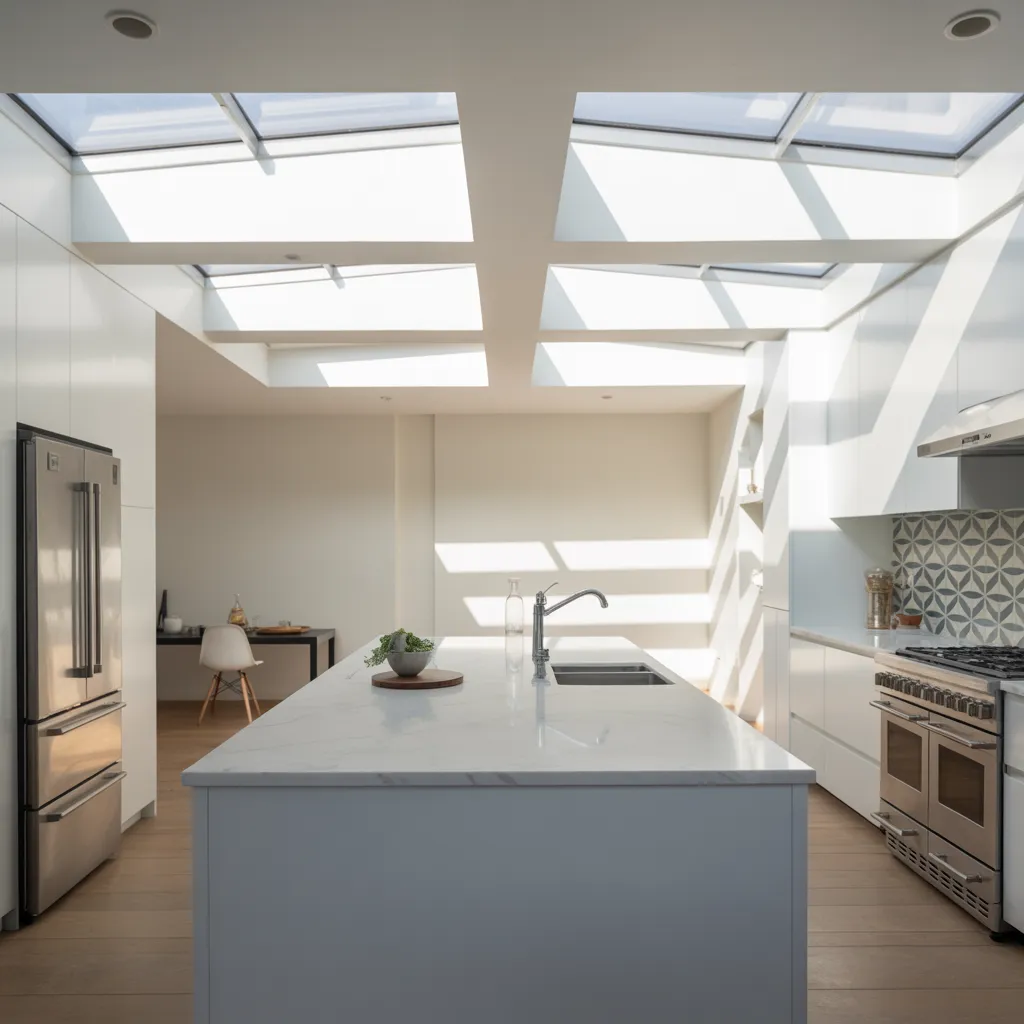
Understanding the Benefits of Skylights for Your Home
Skylights provide a wide range of benefits that can greatly enhance a home's ambiance and practicality. They channel natural light into rooms that may otherwise appear shadowy or restricted, creating a more welcoming environment. This surge of sunlight can minimize the need for artificial lighting, leading to decreased electricity expenses. Additionally, skylights can improve ventilation, especially when vented options are selected, allowing hot air to exit and fresh air to enter.
In addition, skylights can provide a connection to the exterior, allowing occupants a glimpse of the sky and surrounding scenery. This visual bond can enhance morale and encourage overall quality of life. Additionally, carefully positioned skylights can improve the architectural appeal of a home, adding a contemporary element that can raise property desirability. Ultimately, the rewards of skylights reach beyond mere appearance, enhancing energy performance, ease, and an improved quality of life in the home.
A Guide to Comparing Skylight Types: Choose the Right One for You
When examining skylights, it is crucial to understand the various types available, each providing distinct advantages tailored to various environments. The choice of skylight can greatly impact lighting, energy efficiency, and aesthetics, making the perfect positioning critical. By evaluating these considerations, homeowners can identify the perfect match for their individual requirements.
Types of Skylights Explained
Natural light has the power to transform a space, and selecting the right type of skylight is essential for achieving the desired effect. There are numerous types of skylights to consider, each designed for specific functions and aesthetics. Fixed skylights deliver a consistent source of natural light, perfect for spaces where airflow is not required. Ventilated skylights, by contrast, can be opened to welcome fresh air, making them well-suited for use in kitchens and bathrooms. Tubular skylights channel sunlight through reflective tubes, perfect for smaller spaces. Finally, dome skylights offer a unique design and are often utilized in commercial settings. Understanding these options helps determine which skylight aligns best with the specific needs and style of a space.
Benefits of Each Type
Choosing the right skylight can considerably elevate both aesthetics and performance in any space. Every option offers specific benefits tailored to individual needs. Fixed skylights, for instance, provide plentiful natural light and are ideal for improving a space's brightness without ventilation. Operable skylights, by comparison, enhance air circulation, making them suitable for bathrooms and kitchens. Sun tunnels are a fantastic option for tight or limited spaces, delivering diffused light without sacrificing space. Skylights with built-in blinds or shades add versatility, allowing users to manage light levels and privacy. Finally, energy-efficient models contribute to reducing heating and cooling costs, contributing to overall energy savings. Understanding these benefits is vital for reaching a well-informed choice.
Perfect Installation Sites
The placement of skylights plays a crucial role in maximizing their value and elevating the overall atmosphere of a space. Prime locations encompass spaces that benefit from natural light, such as living rooms, kitchens, and bathrooms. South-facing skylights are ideal for harvesting sunlight across the entire day, while north-facing choices offer uniform, soft light with no harsh glare. Moreover, east-facing skylights invite morning light, fostering a refreshing start to the day, whereas west-facing placements collect afternoon rays, making them excellent for evening relaxation. In rooms featuring high ceilings, positioning skylights near the peak can produce a striking effect and enhance airflow. Ultimately, the choice of skylight type and location should align with the specific lighting needs and architectural style of the space.
Essential Factors to Consider When Choosing Your Skylights
When selecting skylights, it is important to consider your natural lighting requirements and energy-saving options. Various spaces may require differing amounts of light, influencing the choice of skylight placement and size. Additionally, energy-saving models can greatly reduce cooling and heating expenses, making them a smart investment.
Natural Light Requirements
Natural light plays an essential role in enhancing the ambiance and functionality of any space, as it influences both mood and energy efficiency. When deciding on skylights, it is essential to examine the unique natural light demands of the room. Reflect on the room's intended use; for example, living spaces thrive with ample light, while bedrooms may call for gentler brightness. The direction the space faces also plays a role; south-facing skylights tend to capture more light throughout the day, while north-facing options provide a more consistent, diffused glow. Moreover, the proportions and form of the skylights should match the intended brightness, fostering a well-balanced atmosphere. At the core, comprehending these considerations confirms that the right skylights satisfy the individual lighting demands of each room.
Energy Efficiency Options
Energy efficiency is an essential factor when evaluating skylight options, as it directly impacts both energy bills and eco-friendly living. When considering available options, elements including glazing type, frame materials, and insulation properties must be carefully considered. Double or triple-pane glass provides superior thermal performance, limiting thermal transfer in both winter and summer seasons. Low-E coatings further enhance energy efficiency by reflecting infrared light while allowing visible light to pass through. In addition, skylights with thermally efficient frames, such as fiberglass or vinyl, resist thermal transfer. Professional installation is necessary to eliminate air infiltration, guaranteeing optimal efficiency. Choosing ENERGY STAR-rated skylights can significantly reduce utility costs while promoting a more sustainable living environment.
Selecting the Ideal Size and Placement for Skylights
Choosing the right positioning and dimensions for skylights is crucial for maximizing their benefits. The size of a skylight should correspond to the room's dimensions and the required degree of natural light. More expansive openings can significantly illuminate a space but may necessitate thoughtful planning to reduce the risk of overheating or unwanted glare.
Location plays an equally vital role; ideally, skylights should be situated to take in the greatest amount of natural light throughout the day while limiting direct light penetration during peak hours. This can enhance energy efficiency and comfort.
Evaluating room function is a key factor; to illustrate, placing a skylight above work areas can be advantageous in a kitchen, while aesthetic considerations may take precedence in a living room. Furthermore, evaluating the existing architectural features and roof slope can help determine the best locations. Careful sizing and deliberate placement ultimately support a seamless combination of natural illumination and environmental regulation, improving the overall character and feel of the room.
Skylight Materials You Should Know
When evaluating skylights, the choice of materials plays an essential role in their durability and effectiveness. Widely used materials consist of glass, acrylic, and polycarbonate, each providing unique benefits. Glass is often favored for its durability and resistance to UV rays but tends to be heavier and costlier. It additionally offers superior clarity and thermal insulation when double or triple-glazed.
Acrylic, known for being lightweight and highly impact-resistant, is a preferred option for budget-conscious consumers. That said, it is more prone to scratching and may not insulate as well as glass.
Polycarbonate stands out as another solid option, celebrated for its exceptional impact resistance and energy-saving properties. This material is also capable of offering UV protection, rendering it appropriate for diverse climate conditions.
When all is said and done, the decision regarding skylight materials should be in line with the distinct needs of the space, carefully balancing aesthetics, functionality, and budget.
Should You Handle Your Skylight Installation or Leave It to a Professional?
How can someone determine whether to handle a skylight installation as a self-managed project or bring in a professional? This decision often copyrights on multiple key factors, including skill level, project complexity, and safety concerns. For individuals with extensive experience in home improvement and a comprehensive knowledge of roofing, a DIY approach may be feasible. They can potentially save on labor costs and experience the fulfillment of handling the project independently.
Even so, skylights necessitate meticulous installation to stop leaks and maintain structural integrity. Enlisting a professional can minimize risks, particularly for individuals without experience in roofing or construction. Experienced specialists provide expertise, specialized tools, and knowledge of local building codes, which can streamline the process and enhance overall quality. At the end of the day, assessing personal skill against the complexities of skylight installation will assist homeowners in making an informed choice between DIY and professional assistance.
Maximizing Energy Efficiency Using Skylights: Tips and Tricks
Skylights can significantly improve the energy performance of a home, most notably when carefully situated and expertly fitted. To get the most out of them, homeowners need to evaluate the directional positioning of their skylights; south-facing units capture abundant sunlight, whereas north-facing choices deliver steady, soft light without unwanted heat buildup. Incorporating low-emissivity (Low-E) glass effectively limits heat transmission, ensuring interiors remain cooler during summer months and warmer throughout winter.
Additionally, adding shades or blinds can also control lighting and temperature, allowing for greater energy flexibility. Effective insulation surrounding the skylight frame is necessary to eliminate air leaks, which can lead to energy loss. Additionally, choosing energy-efficient models that meet ENERGY STAR® guidelines can markedly cut heating and cooling costs.
Regular maintenance, encompassing cleaning and checking seals, promotes lasting peak efficiency. By applying these guidelines, skylights can operate as an efficient solution in attaining improved energy efficiency in every space.

Questions We Often Receive
How Do Skylights Influence Interior Temperatures Across All Seasons?
Skylights can considerably influence indoor temperatures year-round. In the warmer months, they tend to amplify heat absorption, while in colder months, they work to improve natural light and heat retention. Proper placement and design are essential for ideal temperature control.
Are Skylights Compatible with All Roof Types?
Skylights are not suitable for all types of roofs. The installation process relies on roof pitch, material, and structural soundness. Conducting a proper assessment ensures maximum performance and reduces the risk of leaks or structural concerns in the long run.
What Ongoing Maintenance Do Skylights Require?
Skylights require routine upkeep, such as cleaning the glass, examining seals to detect leaks, and checking the flashing. Occasionally, homeowners ought to evaluate the surrounding roof condition to ensure adequate drainage and protect against water damage over the years.
Do Skylights Help Cut Down on Electricity Bills?
Skylights can indeed help reduce electricity bills by boosting natural light levels throughout a space, thus reducing the need for artificial lighting. This often produces substantial reductions in energy consumption, particularly when skylights are well-positioned and properly insulated.
Which Skylight Brands Are the Best?
Notable roof window manufacturers are Roto, Velux, and Fakro. These brands are well read this article known for their superior quality, energy efficiency, and forward-thinking designs, making them leading selections with homeowners and builders seeking optimal natural lighting solutions.